In March of 2014 a research study was published. This study tested the microbial makeup of 447 individuals who were newly diagnosed with Crohn's and 221 people who had non-inflammitory conditions such as diarrhea or general abdominal pain. In this study they found that the individuals with Crohn's disease had very high levels of bacteria like salmonella, and bacteria form the same family as e-coli and mycobacterium which is similar to abdominal tuberculosis. These same individuals had very low levels of bifidobacterium which are classified as good bacteria that support the normal flora. The individuals with Crohn's disease, in no doubt, had a disrupted microbial balance and disturbed normal flora compared to the 221 individuals who did not have Crohn's disease (Cell Press, 2014).
Although, the research of microbes involved in Crohn's disease continues, a number of studies suggest that the main microbe involved in Crohn's disease is Mycobacterium avium subspecies paratuberculosis (MAP)(Hugot, Alberti, Berrebi, Bingen, & Cézard, 2003). The NOD2 gene mentioned above is associated with the diminished killing of MAP by reducing hosts immunity and impairing the immune system. Another key microbe is specific strains of [enteroadherent] E.coli. These bacteria have strong biofilms, which protect them from the bodies immune defense and in return build up causing the bodies immune system to work harder leading to the inflammation of Crohn's. Other microbes that contribute to the disease are higher levels of Listeria and Yersinia although these two microbes are not as popular as the previous ones (Hugot, Alberti, Berrebi, Bingen, & Cézard, 2003).
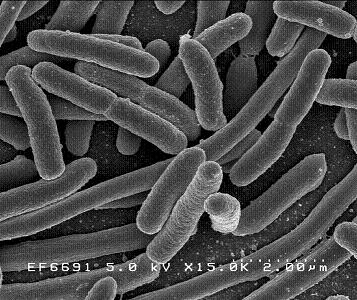 |
| Enteroadherent E. Coli |
 |
| Chromosome 16 |
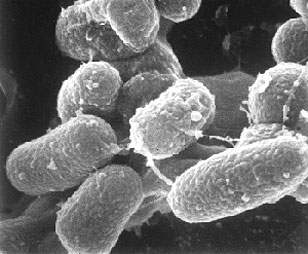 |
| Mycobacterium avium subspecies paratuberculosis |

No comments:
Post a Comment